 Tel:+86-510-80226679
 Español
 Portugues
 Pусский
 Français
 Deutsch
 日本語
日本語 العربية
 Italiano
 Polski
 Türk dili
 Indonesia
 Tiếng Việt
 中文
中文 Română


-
Share:
Contact us
Inquiry
-
E-mail:BillyLee@tekpac.com.cn
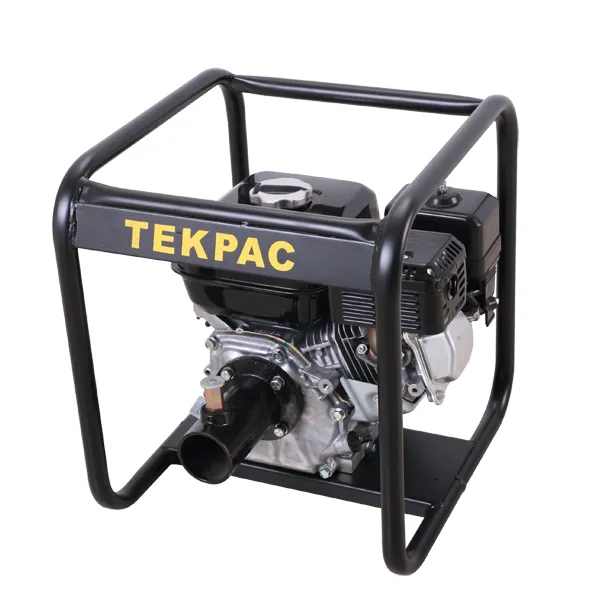
Concrete Vibrator Mve
Brand : TEKPAC
Product origin : Jiangsu,China
Delivery time : 30-40 days
Supply capacity : 1000-2000 per month
Technical Specification
Type | Power Source | Power(kw) | Weight(kg) | Size(mm) |
MVE-1 | 1PH/2PH 110V/220V/380V 50HZ/60HZ | 1.1 | 14 | 395X175X270 |
MVE-2 | 1.5 | 16 | 395X175X270 |
Comprehensive Guide to Concrete Vibrator MVE
Introduction to Concrete Vibrators MVE
A Concrete Vibrator MVE is a specialized tool designed to improve the quality and consistency of concrete during its application in construction projects. Vibrators play a crucial role in the concrete mixing process, as they help eliminate air pockets, improve the mixture’s flow, and ensure a solid, uniform structure. The MVE designation refers to the Motorized Vibrator Equipment, which is commonly used in a variety of concrete-related activities, from foundations to slab works, and even specialized concrete molds.
This comprehensive guide covers the definition, working principles, types, advantages, and specifications of the Concrete Vibrator MVE, along with industry-standard uses and recommendations for selecting the right product based on specific project requirements. It is optimized for search engines and provides a user-friendly, detailed resource for professionals in construction and civil engineering.
What is a Concrete Vibrator MVE?
A Concrete Vibrator MVE is an essential tool in the construction industry, used to ensure that fresh concrete is compacted and free of air bubbles. The equipment is powered by an electric motor or engine, which causes a vibrating element to oscillate at high speeds, generating vibration in the concrete.
The MVE designation usually refers to Motorized Vibrator Equipment, which includes both internal (or immersion) and external concrete vibrators. These vibrators are essential for ensuring that concrete settles properly into molds and forms, removing trapped air and promoting the proper bonding of aggregates, ensuring stronger and more durable concrete.
Key Features of Concrete Vibrators MVE:
Power Source: Typically powered by electric motors, though gasoline or diesel engines can also be used for larger models.
Vibration Frequency: Offers a high-frequency vibration to ensure deep penetration and even distribution of the concrete.
Versatility: Suitable for a variety of concrete work, including foundations, slabs, walls, and specialized molds.
Ergonomics: Designed for ease of use in both large and small-scale construction sites, offering portability and comfort.
How Do Concrete Vibrators MVE Work?
Concrete vibrators work on the principle of vibration technology. The motor inside the vibrator powers a rotating shaft, which is connected to a vibrating element (usually a needle or plate). As the element vibrates at high speeds, it induces intense vibrations into the surrounding concrete.
Working Mechanism:
Power Supply: The motor of the concrete vibrator receives power either from a power grid (electric motor) or a gasoline/diesel engine (for larger models).
Vibration Generation: The rotating motor drives an eccentric shaft, which generates vibrations. This shaft is connected to a vibrating head that transmits the vibrations into the concrete.
Concrete Compaction: The high-frequency vibrations cause the air bubbles trapped inside the wet concrete to rise to the surface and escape. This helps the concrete settle evenly, filling gaps in the mold and creating a stronger, denser structure.
Uniform Distribution: The vibrations also ensure that the concrete aggregates are evenly distributed throughout the mixture, ensuring uniformity and reducing the risk of weak spots or honeycombing.
This vibration process is essential for ensuring that concrete sets without defects, maximizing its strength and durability once it cures.
Types of Concrete Vibrators MVE
Concrete vibrators MVE come in various forms, each tailored for different types of concrete applications. The two main categories of concrete vibrators are:
1. Internal (Immersion) Concrete Vibrators
Internal vibrators, often referred to as immersion vibrators, consist of a vibrating needle that is immersed directly into the concrete mix. These vibrators are highly effective for deep concrete compaction, ensuring that air pockets are removed from the entire depth of the concrete mass.
Usage: For large-scale concrete applications such as foundations, slabs, and vertical columns.
Advantages: Deep penetration, ability to handle high volumes of concrete, ideal for large pours.
Applications: Foundations, structural beams, large concrete pours.
2. External Concrete Vibrators
External vibrators are mounted on the outer surface of concrete forms, and they generate vibration through direct contact with the mold. This method is ideal for precast concrete or molds with large volumes of concrete that need to be vibrated from the exterior.
Usage: For precast concrete applications, large mold structures, and cast-in-place elements where immersion vibrators cannot be used.
Advantages: Compact design, effective for complex mold shapes.
Applications: Precast molds, walls, beams, and other molded concrete components.
3. High-Frequency Concrete Vibrators
High-frequency concrete vibrators produce extremely fast vibrations, which are effective in fast-setting concrete and for applications where a highly dense and durable finish is required.
Usage: Ideal for high-density concrete applications and where maximum concrete compaction is needed.
Advantages: High compaction efficiency, minimal vibration for delicate concrete structures.
Applications: High-precision concrete works, reinforced concrete structures.
4. Portable Concrete Vibrators
Portable concrete vibrators are typically smaller and designed for easy mobility. They are ideal for smaller concrete pours and areas where larger vibrators may be too cumbersome.
Usage: For small-scale concrete applications like small foundations, residential buildings, and small structures.
Advantages: Lightweight, easy to handle, cost-effective for small projects.
Applications: Residential foundations, small garden slabs, DIY projects.
Advantages of Concrete Vibrators MVE
The use of Concrete Vibrators MVE provides several key benefits, making them an essential tool in modern construction:
1. Improved Concrete Quality
Concrete vibrators help eliminate air pockets and voids in concrete, leading to a stronger and more durable structure. This ensures the integrity of the concrete once it has hardened and cured, reducing the chances of cracks and weak points.
2. Increased Efficiency
Vibrators save significant time during concrete placement. They help speed up the curing process by ensuring a uniform and dense mix, reducing the need for excessive compaction and minimizing manual labor.
3. Reduced Risk of Honeycombing
The use of vibrators helps avoid the formation of honeycombing, which occurs when air bubbles and voids are trapped in the concrete. Honeycombing weakens the concrete structure, so using vibrators improves the overall structural integrity.
4. Uniform Mixture
By promoting even distribution of aggregates, concrete vibrators ensure that the concrete mixture remains homogeneous, leading to a consistent surface and density. This is particularly important for high-quality finishes in walls and slabs.
5. Enhanced Durability
Properly vibrated concrete cures better and becomes denser, offering enhanced resistance to external forces, weathering, and wear. This is crucial for structures that must endure heavy loads or extreme environmental conditions.
6. Cost-Effectiveness
Concrete vibrators help optimize the concrete pouring process, reducing the risk of rework due to improperly compacted concrete. This leads to fewer delays, lower costs, and higher productivity on construction sites.
Applications of Concrete Vibrators MVE
Concrete vibrators MVE are used in a wide range of construction applications. Below are some of the most common applications of these vibrators:
1. Foundations and Slabs
Concrete vibrators are widely used in the construction of foundations and slabs, where large quantities of concrete need to be poured and compacted. The use of vibrators ensures that the concrete settles evenly, minimizing the risk of air pockets and voids.
Example: Foundation work for residential, commercial, and industrial buildings.
2. Vertical Columns and Walls
Internal vibrators are ideal for vertical concrete structures like columns and walls, ensuring that the concrete sets evenly and without voids. This is especially important for reinforced concrete structures that need to maintain their structural integrity.
Example: High-rise buildings, bridge supports, retaining walls.
3. Precast Concrete
External vibrators are often used in the production of precast concrete elements, such as beams, slabs, and panels. These vibrators help compact the concrete within molds, ensuring uniformity and minimizing defects.
Example: Precast concrete beams, concrete panels for walls, and flooring.
4. Roadways and Pavements
For road construction projects, concrete vibrators ensure a smooth and durable pavement surface. Vibrators compact the concrete mixture for roads, highways, and airport runways, improving the overall strength and longevity of the pavement.
Example: Roadways, driveways, parking lots, and pavements.
5. Retaining Walls and Large Structures
Large concrete structures like retaining walls and dams benefit from the use of concrete vibrators. These vibrators ensure that the concrete mix fills all corners of the mold and provides a solid, stable structure that can withstand heavy loads.
Example: Dams, embankments, and retaining walls for highways or railways.
6. Swimming Pools and Decorative Concrete
For decorative concrete finishes and swimming pool constructions, vibrators are used to achieve a smooth, even surface. They help settle concrete evenly and ensure a flawless finish.
Example: Swimming pools, decorative garden slabs, and countertops.
Specifications of Concrete Vibrators MVE
Below is a typical specification table for Concrete Vibrators MVE. The exact specifications may vary depending on the model and manufacturer.
| Specification | Details |
|---|---|
| Vibrator Type | Internal, External, High-Frequency, Portable |
| Power Source | Electric Motor, Gasoline, Diesel |
| Vibration Frequency | 3,500 - 18,000 RPM (depending |
on model) |
| Vibrator Shaft Length | 0.5m to 6m (depending on project requirements) |
| Motor Power | 1.5 kW to 15 kW |
| Weight | 5 kg to 60 kg |
| Voltage | 110V, 220V, 380V (varies by region) |
| Cooling System | Air-cooled, Liquid-cooled |
| Max Pressure | Up to 150 bar |
| Applications | Foundations, Precast Concrete, Pavements, Slabs, Walls |
| Warranty | 1 - 2 years |
Conclusion
The Concrete Vibrator MVE is a powerful and versatile tool that plays a critical role in ensuring the quality and durability of concrete structures. By removing air pockets, improving compaction, and ensuring uniformity, these vibrators contribute to stronger, more reliable concrete outcomes. Whether used in large-scale infrastructure projects or small residential builds, the proper use of concrete vibrators can improve the efficiency of construction, reduce defects, and help achieve high-quality finishes.
Choosing the right type of concrete vibrator based on your project requirements—whether it’s for foundations, slabs, walls, or precast concrete—will ensure that your construction projects are completed more effectively, efficiently, and with a higher standard of quality.
- Previous page: B-150 Oscillating Stick
- Next page: Concrete Vibrator Mvdr
ONLINE MESSAGE
RELATED PRODUCTS
-
 RELATED
Concrete Vibrator Mvds
Learn more
Email :BillyLee@tekpac.com.cn
Copyright © 2022 Wuxi Taixue Construction Machinery Co., Ltd sitemap



 WhatsApp
 Phone
PhoneThis website uses cookies to ensure you get the best experience on our website.